How to Choose the SCSI-2 Cable? The Complete SCSI-2 Cable Buying Guide
The SCSI-2 cable remains a critical interconnect for computers, scanners, tape drives and storage peripherals. Choosing correctly requires more than matching two connectors: signaling, shielding, termination, pinout and total bus length must work together.
The SCSI-2 Standard
SCSI-2 expanded the original standard with additional commands, wider buses and faster transfer modes. The cable must match the controller, peripheral and complete bus architecture.
Connector Family Breakdown
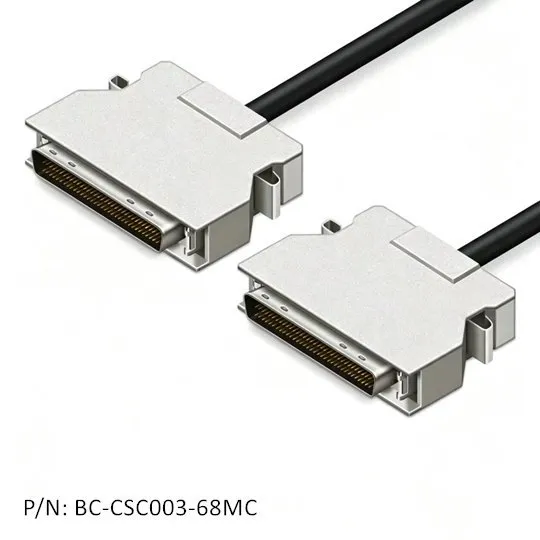
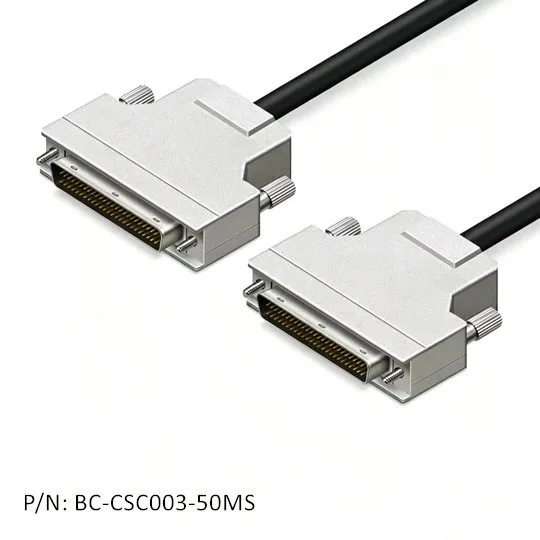
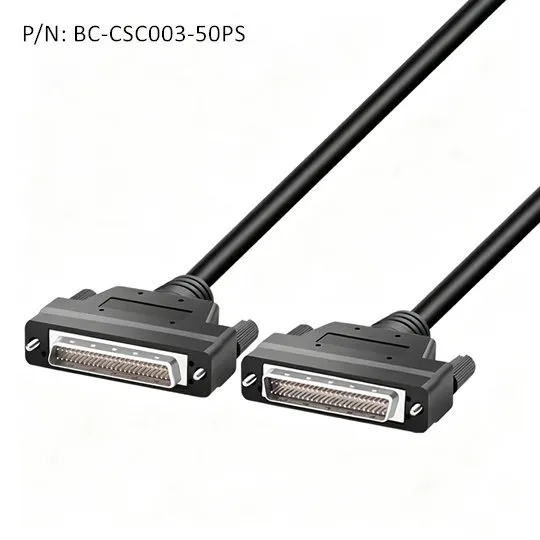
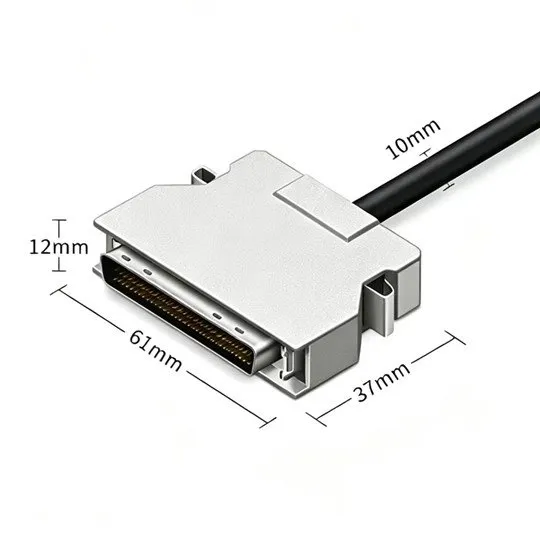
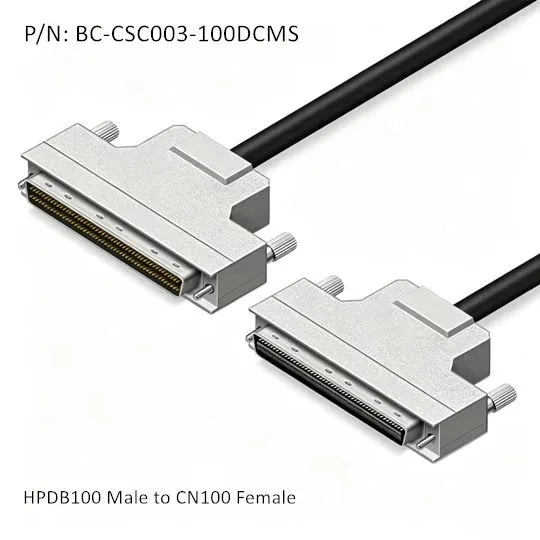
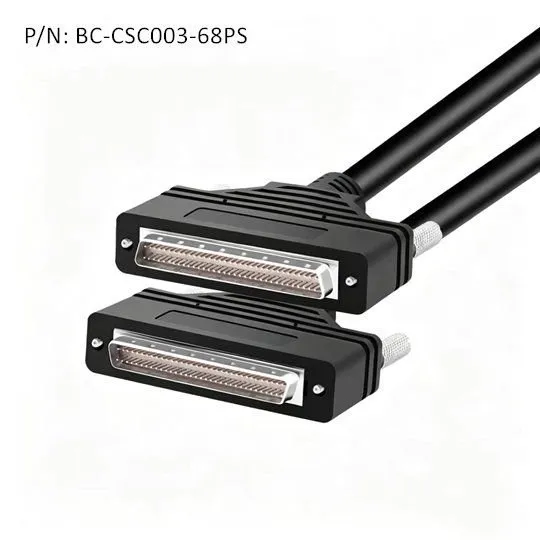
HD50, CN50, HPDB68 and related connectors differ in density, shell and retention. Identify each end by shape, pin count, gender and fastening method.
Internal and External Cables
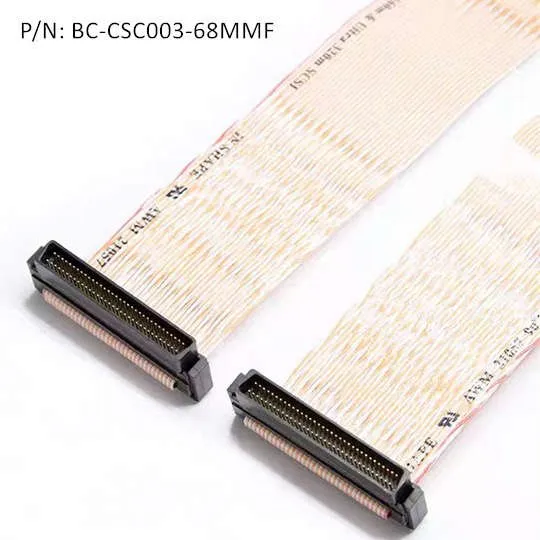
Internal ribbon cables prioritize compact routing; external assemblies require a protective jacket, complete shielding and robust connector backshells.
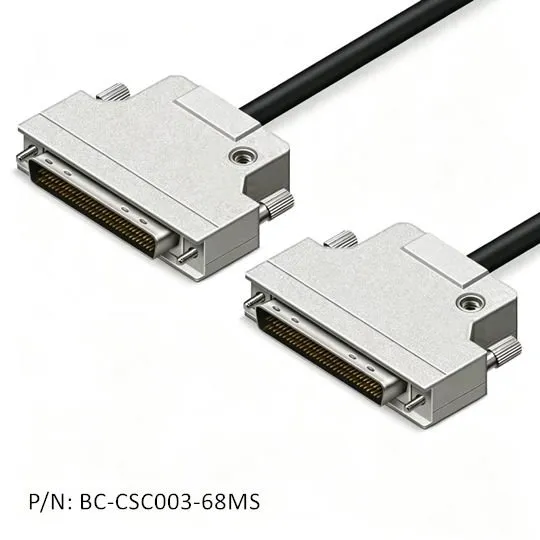
SE, Differential and LVD Signaling
Single-ended, high-voltage differential and low-voltage differential systems are not universally interchangeable. Confirm controller and device signaling before connecting.
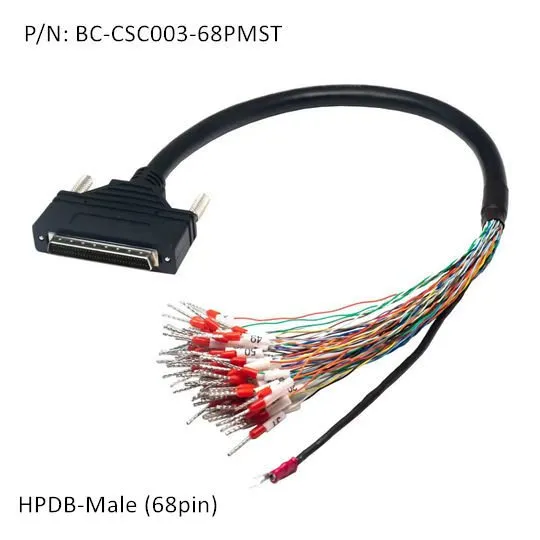
Termination and Cable Quality
Correct end termination, controlled impedance, twisted pairs and continuous shielding prevent reflections and errors as transfer speeds and bus width increase.
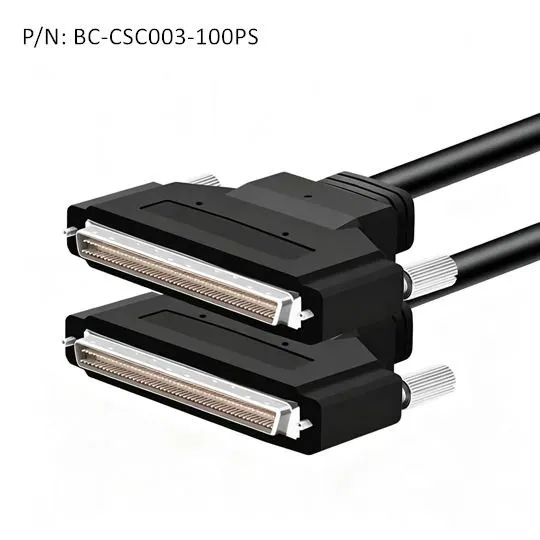
Pinout Testing
Most assemblies are straight-through, but specialized adapters may not be. Test continuity pin by pin and check shielding before deploying a replacement.
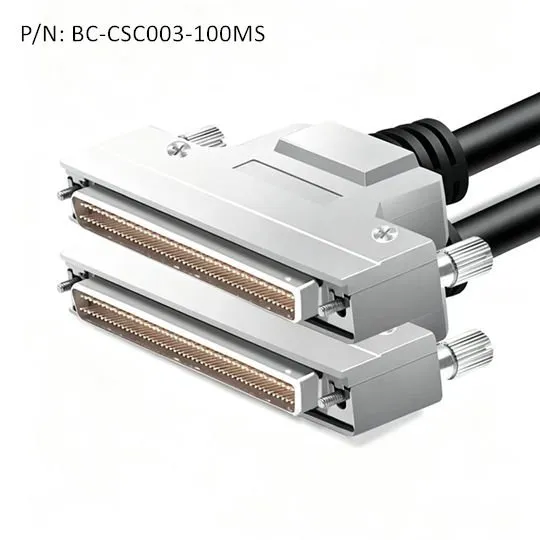
Compatibility With Legacy Systems
A custom cable can bridge old and newer connector formats while preserving the required bus width and signaling. Mechanical conversion alone is insufficient.
A Practical Selection Guide
Identify both connectors and gender, choose shielding for the environment, keep the bus within length limits, confirm termination and test before installation.
Installation and Troubleshooting
Power down, seat connectors evenly, secure retention hardware and maintain gentle bend radius. For faults, isolate devices and test cable continuity and termination.
Internal Ribbon Assemblies
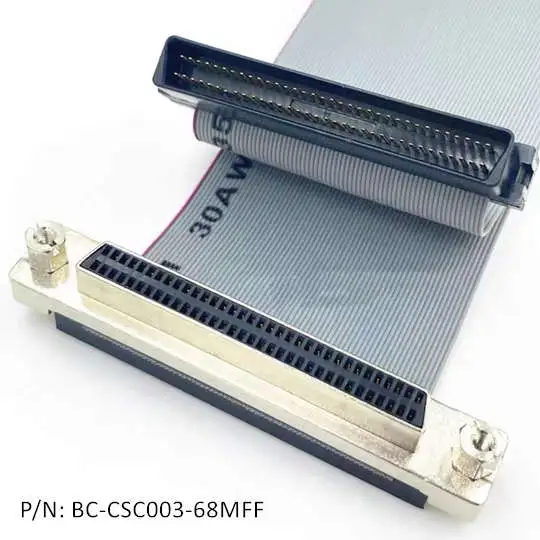
Use the correct connector spacing and orientation, avoid folding across sharp chassis edges and keep the ribbon clear of fans and high-current conductors.
Investing in Long-Term Reliability
A documented, tested cable assembly reduces intermittent errors, protects legacy devices and makes future maintenance far easier.
FAQs About SCSI-2 Cables
The safest choice begins with connector photos, device model numbers, signaling mode, required length and termination plan. Provide all five when requesting a custom cable.