How to Choose the Centronics SCSI Cable? The Complete Centronics SCSI Cable Buying Guide
Centronics SCSI Cable became one of the best-known peripheral interfaces of the mainframe and personal-computer eras. This guide covers connector identification, cable construction, termination and practical compatibility for systems that still depend on it.
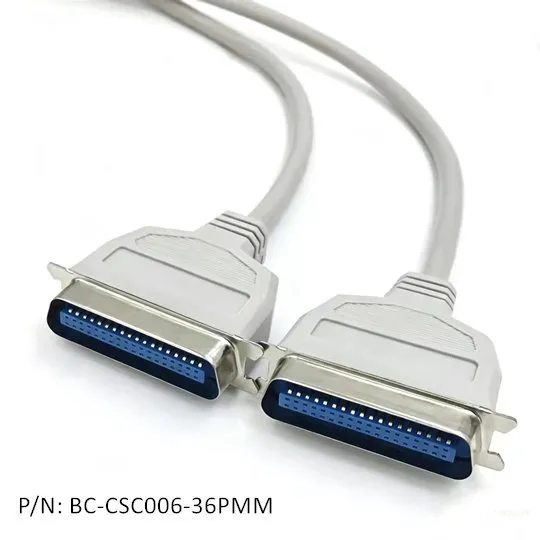
Centronics SCSI Connectors — An Overview
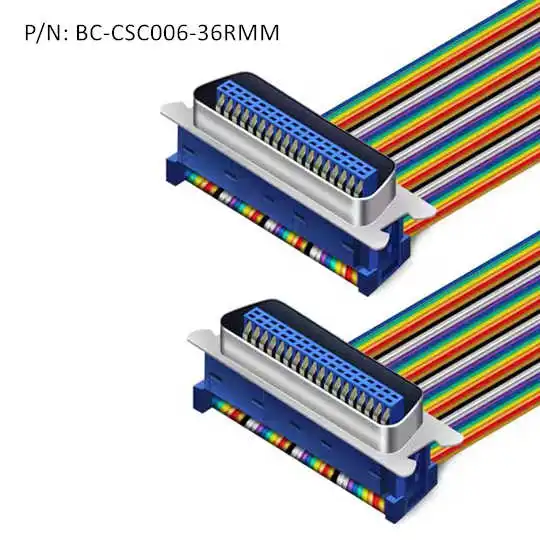
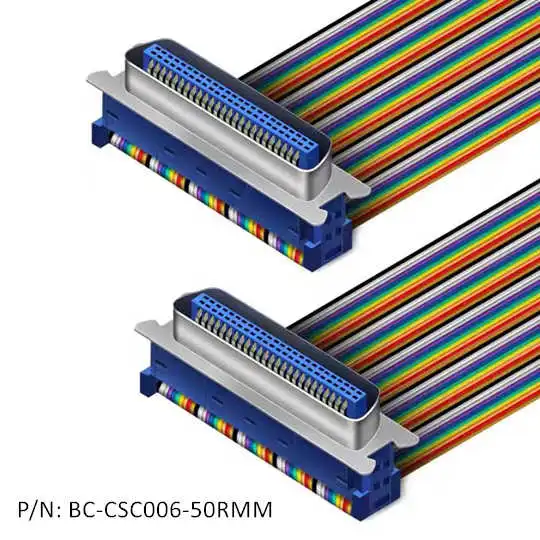
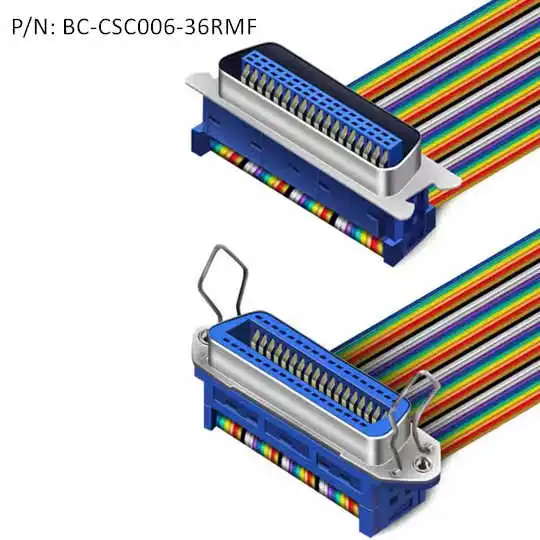
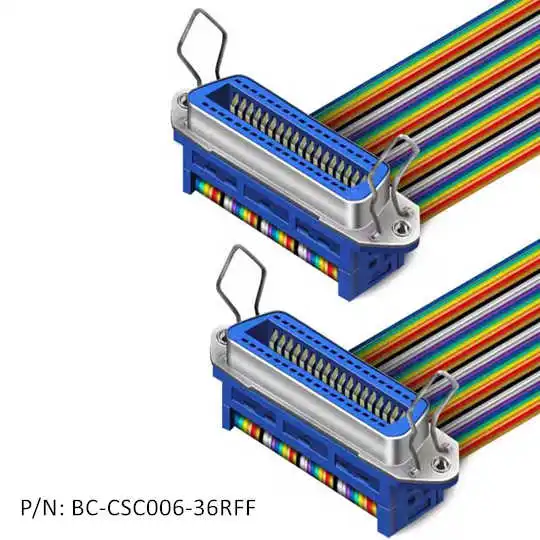
The wide rectangular shell, paired contact rows and positive retention identify the Centronics family. Both 36-pin and 50-pin variants exist, so count and application must be verified.
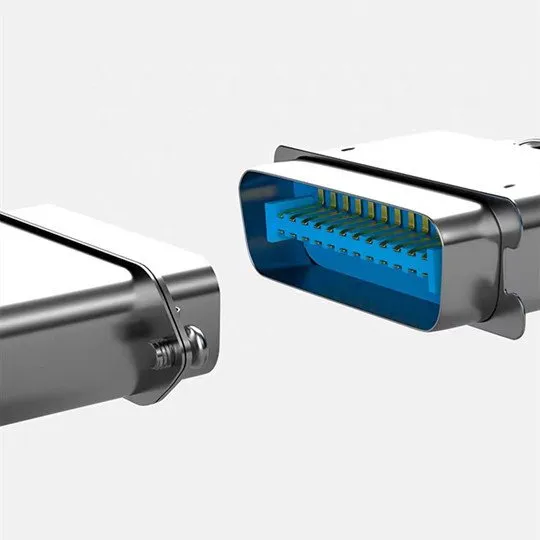
Secure Connection Features
Bail locks, clips or screws prevent accidental disconnection. Select retention hardware that matches the device receptacle and provides enough clearance around adjacent ports.
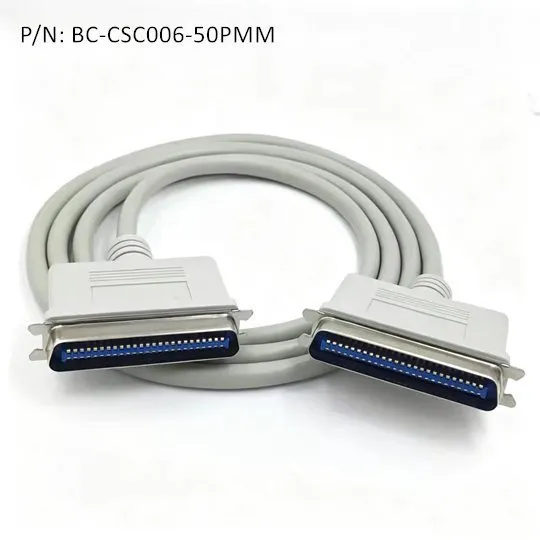
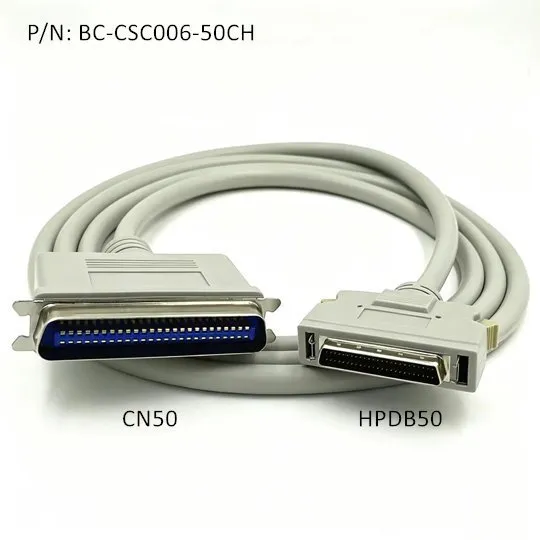
Centronics 50 and HPDB50: Significant Differences
CN50 is physically larger, while HPDB50 uses half-pitch contacts in a compact shell. Adapter cables can bridge the interfaces when the electrical bus standard is compatible.
SCSI-1 Electrical Specifications
Conductor pairing, shielding, impedance and grounding determine whether the complete SCSI-1 bus remains stable. Cable construction is as important as connector fit.
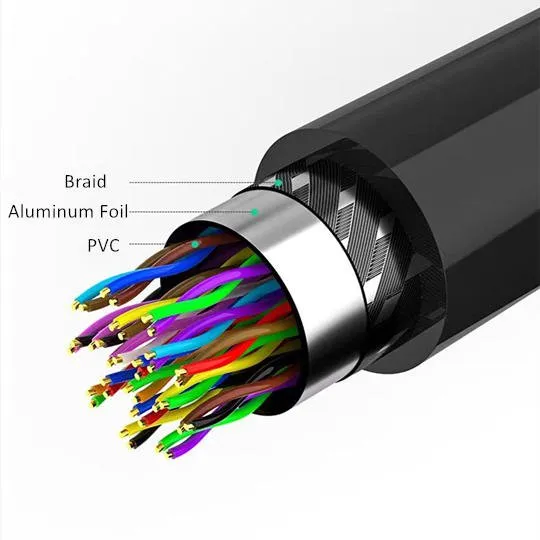
Cable Construction and EMI Suppression
Quality assemblies use suitable wire gauge, foil and braid shielding, drain continuity, ferrite suppression where required, and molded or metal backshell strain relief.
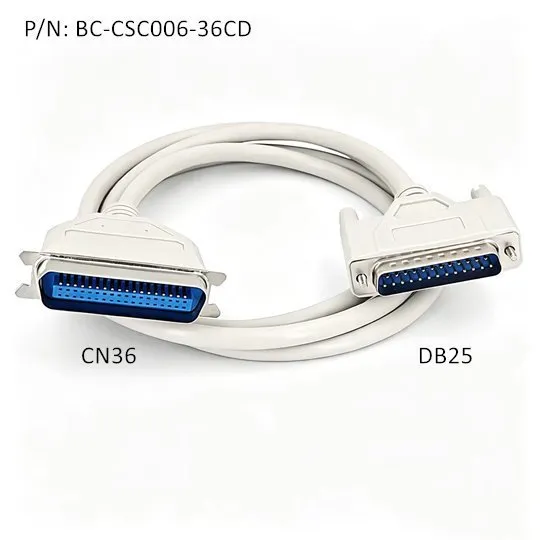
Termination and Pinout
Terminate only the two ends of the bus. Confirm the correct pinout before using a cross-interface cable because a mechanically compatible adapter is not always wired for the same application.
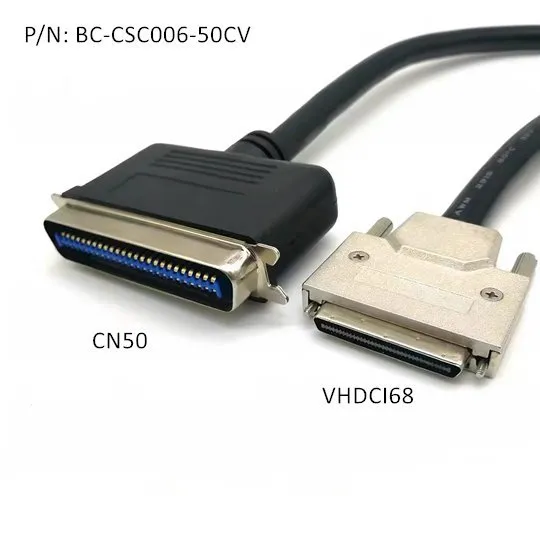
Adapters and Modern Systems
CN50-to-HD50, VHDCI and other adapter assemblies support migrations, but bus width, signaling and termination still need to match the controller and device.
Practical Applications
Centronics assemblies remain in scanners, tape drives, instrumentation, industrial controls and legacy storage. Document every connector and device ID before replacement.
Quality Indicators and Installation
Choose tested assemblies with secure contacts, continuous shielding and durable strain relief. Route away from power cables, avoid sharp bends and secure the retaining clips.
Protecting Legacy Connectivity
A correctly specified Centronics cable can extend the useful life of specialized equipment without sacrificing signal stability or serviceability.
Frequently Asked Questions
Connector shape, pin count and gender should be checked first. Then verify electrical mode, total bus length and termination before ordering.
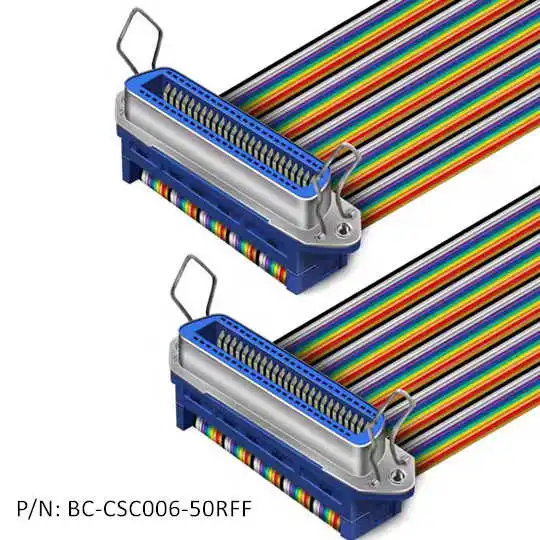
Choosing a Custom Assembly
For unusual legacy systems, provide clear connector photos, dimensions, pinout, required length and operating environment so the assembly can be built and tested correctly.